
How to Choose Olive Oil: 7 Quick Checks
- Start with extra virgin. It is the highest olive oil grade.
- Check the origin. Find out where the olives—not just the bottle—come from.
- Look for the harvest date. Freshness matters.
- Know the olives. Cultivars influence aroma, bitterness, pungency, and character.
- Look for evidence. Traceability and documented information are more useful than vague marketing claims.
- Choose protective packaging. Light, heat, and oxygen work against freshness.
- Buy an oil you enjoy using. Quality matters, but so does taste.
1. Start With Extra Virgin Olive Oil
Extra virgin olive oil (EVOO), the highest grade of olive oil, is obtained directly from olives using mechanical processes and must satisfy both chemical and sensory requirements. The International Olive Council publishes the standards and testing methods used for olive oils.
But “extra virgin” does not mean every EVOO is identical. Olive variety, fruit condition, harvest timing, milling, storage, and age can produce very different oils within the same grade.
That is why the words extra virgin should be the beginning of your evaluation, not the end. Our guide to how Italian olive oil is classified explains what the grade actually means.
These checks help you evaluate a bottle. For the nutritional context—including oleic acid, polyphenols, squalene, and everyday use—read our guide to the benefits of extra virgin olive oil.
2. Know Where the Olives Come From
Olive origin, the place where the fruit was grown, tells you more than the location where a bottle was packed. “Bottled in Italy,” for example, does not by itself establish that the olives were grown in Italy.
Multi-country oils are not automatically inferior. Blending oils from different origins can be a legitimate production choice. The important point is transparency: know what you are buying.
If you specifically want Italian olive oil, look for clear evidence that the oil comes from Italian olives rather than relying on flags, Italian words, or Mediterranean imagery. Our guide to choosing Italian olive oil explains the criteria worth comparing before you buy.
DOP and IGP, European geographical indications connected to defined places and production rules, can provide additional information about provenance. They are useful tools, but they are not the only way to identify a serious producer. Read more about DOP and IGP on Italian olive oil.
3. Check the Harvest Date
The harvest date, the date or season when the olives were picked, gives you a useful starting point for understanding an oil's age. It is different from a best-before date, which indicates the producer's expected quality period under appropriate storage conditions.
Olive oil does not improve indefinitely in the bottle. Its fresh aromas and flavors change over time as oxidation progresses. The North American Olive Oil Association also recommends paying attention to freshness and buying quantities that can be used reasonably quickly after opening in its olive oil buying guidance.
When two bottles otherwise appear comparable, knowing when the olives were harvested gives you information that a distant best-before date cannot provide. See our full explanation of harvest date vs. best-by date.
4. Know the Olives—Without Overthinking Them
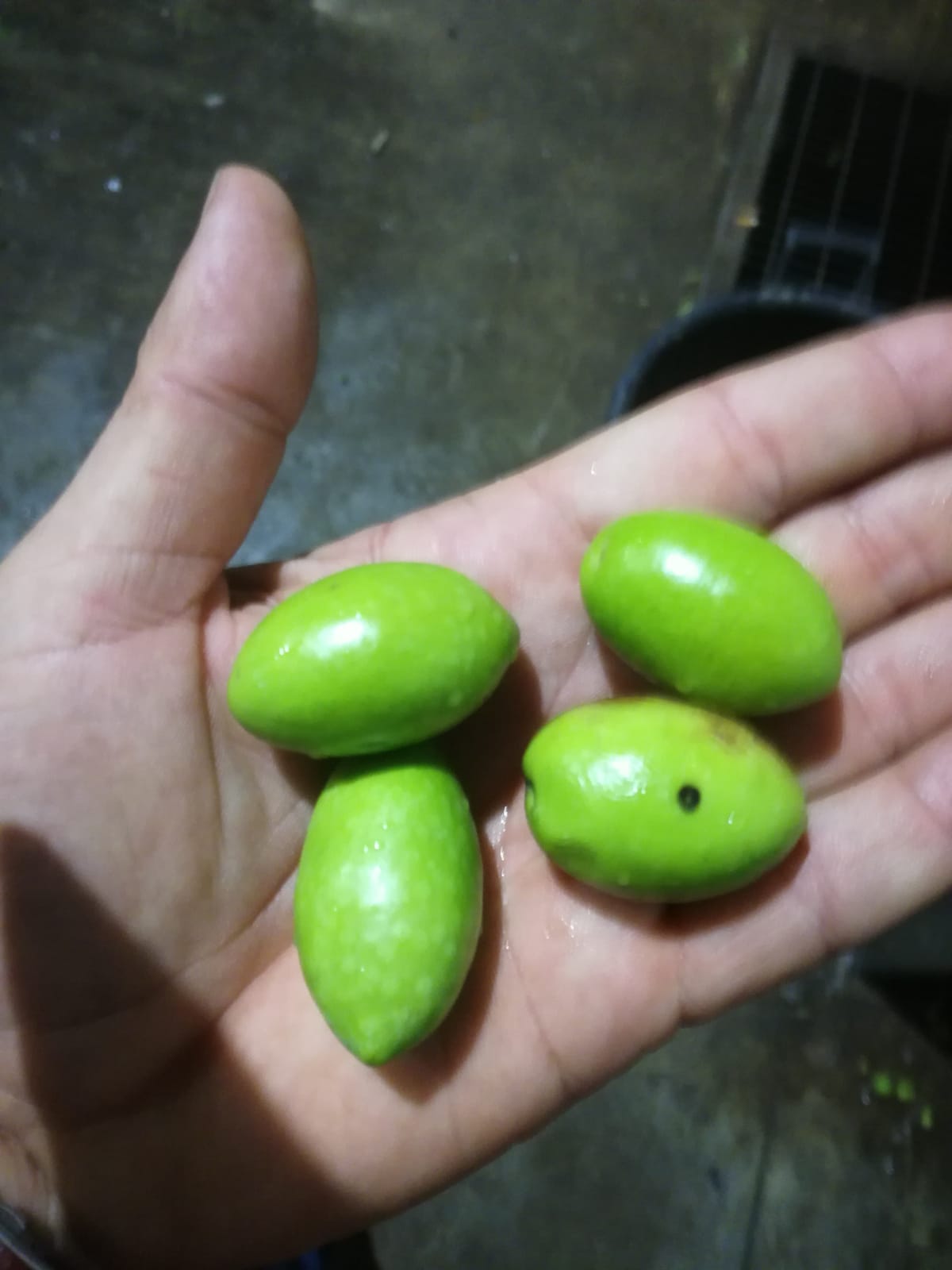
A cultivar, a cultivated variety of olive, helps shape an oil's aroma and flavor. Different cultivars can produce oils that are delicate, grassy, fruity, bitter, peppery, or somewhere in between.
A monocultivar olive oil, an oil made from one olive variety, can highlight the character of a particular cultivar. A blend can combine several varieties to create a different balance. Neither approach automatically makes an oil better.
The useful question is not simply, “Is this a monocultivar?” It is: What olives were used, how were they handled, and do I enjoy the resulting oil?
Harvest timing matters too. Early-harvest olive oil, made from olives picked earlier in ripening, can offer a more assertive bitter and pungent profile depending on the cultivar and production conditions.
5. Look for Evidence Behind the Claims
A serious bottle should give you information, not just adjectives.
Look for useful details such as olive origin, harvest information, producer or mill information, lot or batch identification, legitimate certifications where applicable, and documented laboratory specifications when the producer supplies them.
Free acidity, a laboratory measure of free fatty acids, is one of the chemical parameters used in olive oil classification. It is not the sour or acidic sensation you taste in foods. Peroxide value, a measure of primary oxidation products, provides different information about the condition of an oil.
Polyphenols, naturally occurring compounds found in olives, are another frequently discussed measurement. A number can be useful when the producer identifies what was measured and when, but your mouth is not a laboratory: bitterness or pepperiness cannot tell you an oil's polyphenol concentration in mg/kg.
For a practical example of reading claims critically, the New York Olive Oil Organization's olive oil label guide examines what bottle information can—and cannot—tell a buyer.
You can also learn what polyphenol-rich olive oil means before comparing numbers between bottles.
6. Make Sure the Bottle Protects the Oil
Olive oil has enemies after production: especially light, heat, oxygen, and time. The UC Davis Olive Center's review of olive oil packaging explains how packaging and storage conditions can influence shelf life.
Dark glass, opaque containers, and suitable tins can help reduce light exposure. Once the bottle is open, keep it tightly closed and away from heat and direct sunlight. Our olive oil storage guide explains the simple rules.
But protective packaging and premium packaging are not the same thing.
A beautiful bottle does not make a great olive oil. Packaging can protect quality; it cannot create it. What matters is what happened before the oil entered the bottle—the fruit, the agricultural year, the harvest, the milling, the handling, and the care taken to preserve it.
7. Buy an Olive Oil You Will Actually Enjoy
Fruitiness, the aromas and flavors associated with fresh olive fruit, is a positive sensory characteristic of virgin olive oil. Pungency, the peppery sensation often felt in the throat, and bitterness can also be positive characteristics.
But stronger is not automatically better. Some excellent oils are delicate; others are robust. Your food and your personal preference matter.
Use the label and evidence to decide whether a bottle deserves consideration. Then let taste decide whether you want it on your table again.
If you notice a peppery sensation and want to understand what causes it, read why olive oil tastes peppery.
5 Olive Oil Buying Myths to Ignore
Myth 1: Greener Olive Oil Is Better
False. Olive oil color can vary with cultivar, fruit maturity, processing, and other factors. Color alone cannot establish grade or quality. Professional sensory evaluation even uses tasting practices designed to prevent color from influencing judgment.
Myth 2: The Refrigerator Test Proves Whether Olive Oil Is Real
False. Cloudiness or partial solidification at low temperatures depends on an oil's composition and temperature. It is not a reliable authenticity test. If your bottle changes appearance in the cold, see why olive oil becomes cloudy or solid.
Myth 3: Lower Free Acidity Means the Oil Tastes Less Acidic
False. Free acidity is determined by laboratory analysis. It is not a measure of sour taste and cannot be accurately determined by tasting the oil.
Myth 4: Expensive Packaging Means Better Olive Oil
False. Good packaging can protect oil from light and oxygen, but appearance and price do not establish the quality of what is inside. UC Davis likewise notes that packaging type does not necessarily correspond to oil quality.
Myth 5: The Pepperiest Olive Oil Must Have the Most Polyphenols
False. Certain phenolic compounds contribute to bitterness and pungency, but sensory intensity cannot tell you total polyphenols in mg/kg. Laboratory measurement is required for a quantitative claim.
The Bottom Line
Choosing olive oil does not require becoming an olive oil chemist. Remember seven things: grade, origin, harvest, olives, evidence, protection, and taste.
Extra virgin is the starting point. Then ask where the olives came from, when they were harvested, what the producer can document, whether the bottle protects the oil, and whether the flavor belongs in your kitchen.
For another independent reference on grades, labeling, storage, and buying olive oil, see the USDA olive oil grades and standards.
If you are specifically shopping for oil from Italy, continue with our Italian olive oil buyer's guide.
Or see the documented details behind Lumìa 100% Italian Extra Virgin Olive Oil—an early-harvest Italian EVOO with harvest and batch information and laboratory specifications provided for the oil inside the bottle.
Frequently Asked Questions
What should I look for when buying olive oil?
Start with extra virgin olive oil, then check the origin, harvest date, olive cultivars, traceability, protective packaging, and whether the flavor suits how you plan to use it.
Is extra virgin olive oil the best grade of olive oil?
Extra virgin olive oil is the highest olive oil grade. It is obtained mechanically and must meet defined chemical and sensory requirements.
Does the harvest date matter when choosing olive oil?
Yes. The harvest date tells you when the olives were picked and is more useful for judging freshness than relying only on a best-by date.
Does the color of olive oil indicate quality?
No. Olive oil can range from golden yellow to deep green depending on olive variety, maturity and other factors. Color alone does not establish quality.
Does a peppery taste mean olive oil has more polyphenols?
Not necessarily. Bitterness and pungency can be associated with phenolic compounds, but taste cannot establish an exact polyphenol concentration. Exact values require laboratory measurement.

