
Most of what people picture as ancient Mediterranean cooking is younger than the Mona Lisa.
That's the surprising fact at the bottom of any honest discussion of the Mediterranean diet. The pattern is real, and the cultural roots reach back millennia. But many of the specific ingredients that define modern Mediterranean cuisine — tomatoes, potatoes, peppers, certain beans, zucchini squash — only arrived in Europe after 1492. The diet as eaten today is not an unbroken tradition. It is a continuous integration of Old World structure with New World ingredients.
This doesn't make the diet less authentic. It makes it more interesting.
Before 1492, the Mediterranean Plate Looked Different
The Greco-Roman and medieval Mediterranean diet ran on a small set of ingredients that modern readers would still recognize: bread, olive oil, and wine — the foundational triad. Wheat in many forms. Legumes such as lentils, chickpeas, and fava beans. Leafy greens and wild herbs. Sheep and goat dairy. Fish from the coast. Onions, garlic, fennel, leeks. Meat in modest quantities, usually preserved or reserved for occasion.
What was missing — to a degree most people don't realize — were many of the ingredients now considered iconic to the cuisine. No tomatoes. No potatoes. No bell peppers or chili peppers. No corn. No common beans of the kind that turn up today in pasta e fagioli. No squashes of the Cucurbita pepo family — the family zucchini belongs to. The Mediterranean table around the year 1400 was structurally similar to the one served today, but visually and chemically very different.
Why Some Ingredients Took Centuries to Accept
Even after the New World ingredients arrived in European ports, most of them spent decades — sometimes more than a century — being ignored, feared, or used decoratively before they entered cooking.
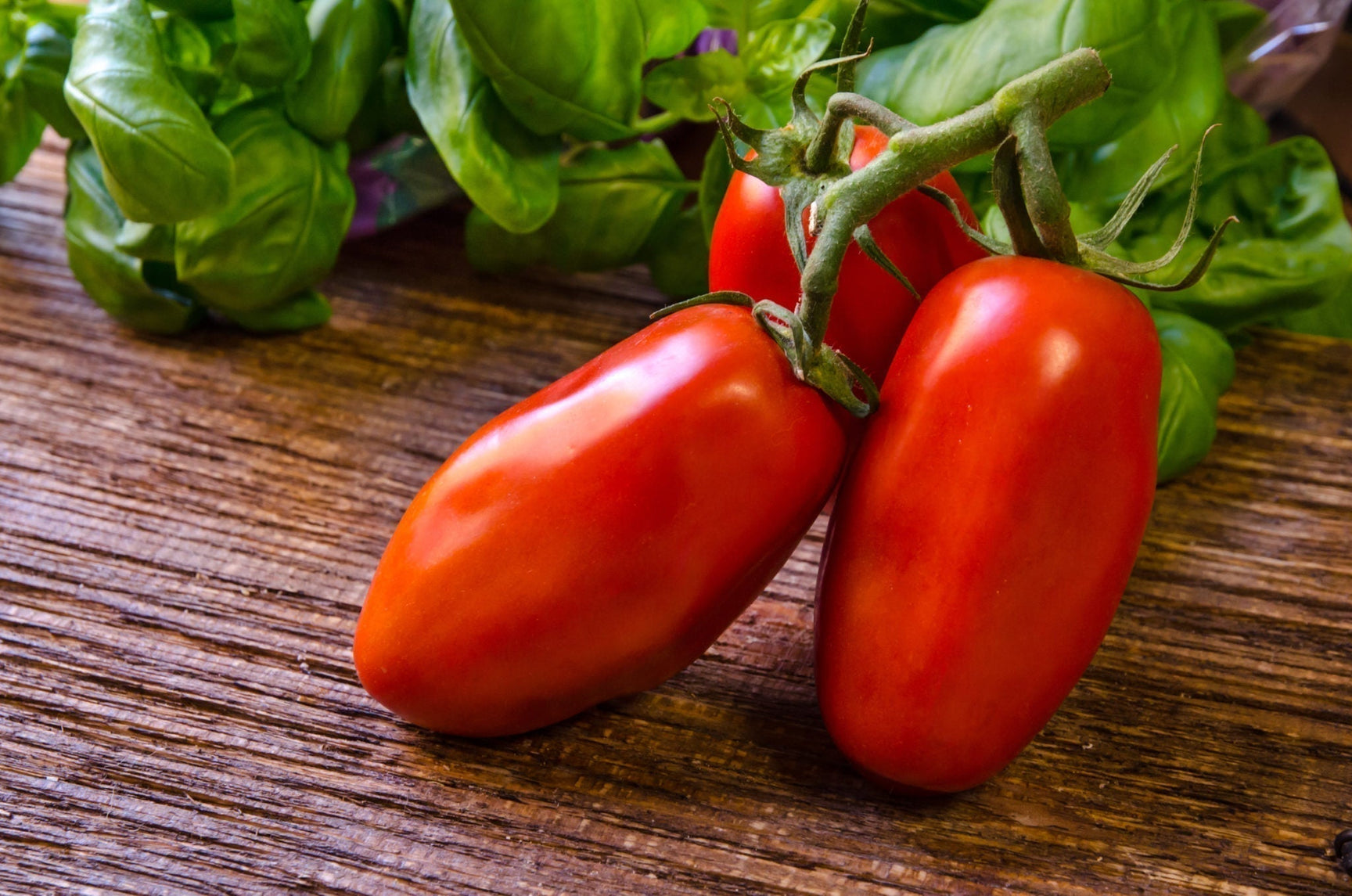
Tomatoes are the most striking example. Brought to Spain from Mexico in the 1500s, they were classified within the nightshade family — alongside genuinely poisonous plants — and many Europeans assumed they were toxic. For almost 150 years they were grown ornamentally in Italy, valued for their unusual yellow and red fruits, but rarely eaten. The first documented Italian recipes using tomatoes appear in the late 1600s, and tomato-based pasta sauces don't become widespread until the early-to-mid 1800s.
Potatoes followed a similar arc. Carried from the Andes to Europe in the late 1500s, they were initially rejected by aristocracy as peasant food and feared by clergy as un-biblical. They didn't become a Mediterranean staple until famines and population pressure made their high-yield reliability impossible to ignore.
The pattern is consistent: New World ingredient arrives, suspicion follows, peasants adopt it under economic pressure, and the cuisine eventually reframes it as "traditional." Most of what is now called Italian peasant cooking is built on ingredients that are not, by long historical standards, Italian.
The Pasta-and-Tomato-Sauce Revolution
Consider the dish that, more than any other, signals "Italian" to non-Italians: pasta with tomato sauce.
Pasta itself is medieval. The earliest documented Italian dried pasta references come from Sicily, possibly under Arab influence — Arab traders brought drying-and-preserving techniques to the island during their rule in the 9th to 11th centuries. By the late Middle Ages, pasta was an established Italian food. But for most of its history, pasta was eaten without tomato sauce — typically with cheese, butter, sugar, or simple oil-and-garlic preparations.
Tomato sauce, as we know it, is post-Columbian. Tomatoes themselves came from Mexico, domesticated there well before Spanish contact, and reached Italy via Spain in the 16th century. The first cookbook to publish a tomato sauce recipe is generally credited to Antonio Latini in 1692. Tomato-based pasta sauces became common in southern Italy through the 1700s and 1800s, and only became the iconic Italian dish through 19th-century Neapolitan cooking and the post-1880 Italian diaspora.
The other ingredients that fill out the modern Italian pantry follow similar histories. Bell peppers and chili peppers were domesticated across Central and South America and traveled to Europe via Spanish ships, becoming central to southern Italian, Spanish, and Balkan cooking. Calabria's 'nduja, the spreadable chili-pepper salami, is one of the more distinctive results. Cannellini, borlotti, and most other common beans now associated with Tuscan and northern Italian cuisine are descendants of Phaseolus vulgaris, a New World species — pre-Columbian Mediterranean legumes were limited to fava, lentils, chickpeas, and a few wild varieties. Zucchini is more nuanced: the species belongs to a family that originated in the Americas, but the specific zucchini cultivar was developed in northern Italy in the late 19th century — botanical origin American, culinary development Italian.
Add it together, and a meaningful portion of what looks like "iconic Italian food" is built on ingredients that didn't exist in Italian kitchens five hundred years ago. The pizza marinara, the pasta al pomodoro, the peperonata, the pasta e fagioli with cannellini — all of them are post-1492 in their current form. None of them are inauthentic. All of them are recent.
What Actually Stayed the Same
The structural ingredients of Mediterranean cooking — the ones that define the eating pattern more than any single dish — are mostly Old World.
Olive oil predates everything. Olive cultivation in the Mediterranean basin is documented from at least the third millennium BCE. Wheat and bread are similarly ancient — the Roman annona, the grain dole that fed the empire, was structurally a Mediterranean institution. Wine has Greek and Roman roots. The Old World legumes — lentils, chickpeas, fava — appear in archaeological digs from across the ancient Mediterranean. Onions, garlic, fennel, leafy greens. Goat and sheep dairy. Fish.
These are the load-bearing elements. Strip out the New World additions and you still have a recognizable Mediterranean diet — leaner, less colorful, but structurally the same. The pattern is Old World. The specific ingredients filled in over centuries.
Why This History Matters
The Mediterranean diet is often presented as a frozen tradition — fixed, ancient, inherited intact across generations. The reality is more interesting. It's a living pattern that has continuously absorbed new ingredients and integrated them into its underlying structure.
That structure is what holds. The cultural pattern — eating-as-routine, ingredient quality, seasonality, communal meals — is the durable thing. The specific ingredients are the variable. Mediterranean cooking is more like a grammar than a vocabulary. It has rules about how foods combine, when meals happen, how meat and grain and oil relate. New ingredients enter the grammar over time, but the grammar itself is stable.
This makes the Mediterranean diet more dynamic than the marketing version, not less. A cuisine that absorbed and integrated a meaningful share of its modern ingredient set in 500 years is a living tradition, not a museum piece.
What "Authentic" Actually Means
The pasta-and-tomato story raises a question that runs through every conversation about authentic Italian food: if the most iconic Italian dish in the world is, by long historical standards, recent, what does "authentic" mean?
The honest answer is that authenticity isn't an ingredient list. An Italian eating spaghetti pomodoro today is eating authentically Italian — even though spaghetti and tomatoes in their current combination are younger than Italy itself, which only unified as a nation in 1861. The dish has been adopted long enough to feel inherited. That's how tradition works.
Tradition is what was foreign long enough ago that no one alive remembers when it wasn't.
The Honest Origin Story
The Mediterranean diet, told honestly, is a fusion. Old World structure — olive oil, wheat, wine, legumes, vegetables, fish — meets New World ingredients arriving steadily after 1492. Centuries of integration produce the cuisine that now travels the world as "Mediterranean."
Calling it "ancient" is partly marketing. Calling it "evolving" is accurate. The honest version is more interesting anyway — it makes the diet a living tradition rather than a frozen artifact, and locates its strength in pattern rather than in inventory.
The Mediterranean table is older than 1492 in its bones. Almost everything visible on it today is younger.
FAQ — The History of the Mediterranean Diet
Is the Mediterranean diet really ancient?
The structure is — bread, olive oil, wine, legumes, vegetables, fish, modest meat. The specific ingredients have changed continuously, especially after 1492 when tomatoes, potatoes, peppers, and several other New World foods entered Europe and were eventually integrated into Mediterranean cooking.
When did tomatoes arrive in Italy?
Tomatoes came to Europe via Spain from Mexico in the 16th century. They were grown ornamentally in Italian gardens for nearly 150 years before being widely eaten. The first documented Italian tomato sauce recipe dates to 1692, and tomato-based pasta sauces became common in southern Italy during the 1700s and 1800s.
What did Italians eat before tomatoes and potatoes?
Bread, olive oil, wine, wheat, legumes (lentils, chickpeas, fava beans), leafy greens, herbs, sheep and goat dairy, fish, modest amounts of meat. Pasta existed in the Middle Ages but was typically served with cheese, butter, sugar, or simple oil-and-garlic preparations rather than tomato sauce.
Is pasta with tomato sauce a traditional Italian dish?
By long Italian historical standards, it is recent. Pasta dates to medieval Sicily; tomatoes are post-Columbian; the combination became widespread in southern Italy only in the 18th and 19th centuries. The dish has been "traditional" long enough to feel inherited, but it is younger than many people assume.
What parts of the Mediterranean diet actually predate 1492?
The Old World foundation includes olive oil, wheat and bread, wine, lentils, chickpeas, fava beans, onions, garlic, fennel, leafy greens, herbs, sheep and goat dairy, and fish. The structural pattern of the diet — fat, grain, plant-forward, modest meat — is also ancient.
What's the most accurate way to describe the Mediterranean diet's age?
A living tradition. The cultural pattern is ancient; the specific ingredient set has continuously evolved, with the most significant change being the integration of New World foods after 1492.
Conclusion
The Mediterranean diet, told honestly, is older than most people realize in its bones and younger than most people realize in its ingredients. Both are true at once. The marketing version flattens this into "ancient and timeless." The historical version is a continuous integration of new ingredients into a stable cultural structure. The second version is more accurate — and more interesting.

