
How to Store, Handle & Preserve Fresh Truffles
The truffle is one of nature's most uncompromising ingredients. Extraordinary in aroma, finite in freshness — what arrives at your door is already at the height of its perfection. What happens next is entirely up to you.
This guide covers everything you need to know about receiving, storing, and handling White Truffles (Tuber Magnatum Pico), Black Winter Truffles (Tuber Melanosporum), and Black Summer Truffles (Tuber Aestivum) — so that not a single gram goes to waste.
The Moment of Arrival
Inspect your order immediately upon delivery. Fresh truffles are highly perishable and require immediate attention. Open the package, assess the condition, and refrigerate at once.
Each truffle is wrapped in paper towels to absorb moisture — a critical step in preserving quality and preventing early decay.
The Paper Towel Method — Why It Matters
Moisture is the primary threat to fresh truffles. Excess humidity accelerates mold growth and reduces aromatic intensity.
The correct storage method:
- Unwrap and gently dry if needed
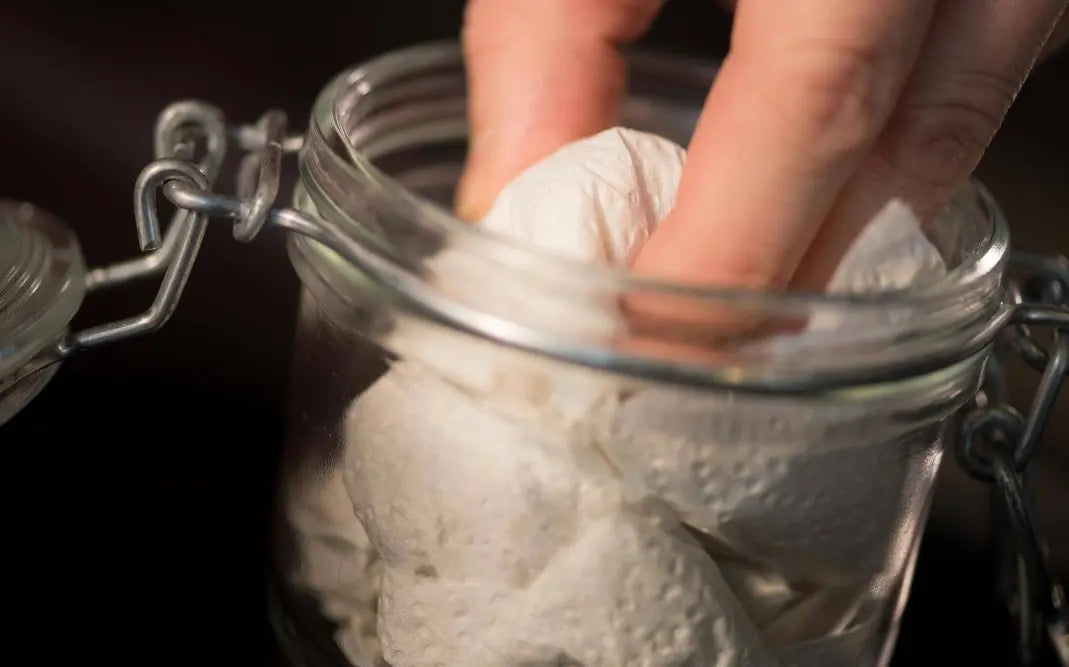
- Wrap each truffle in a fresh paper towel
- Store in an airtight glass container
- Refrigerate at 34–38°F (1–3°C)
Replace the paper towel daily. This simple step significantly extends freshness and preserves aroma.
For additional guidance on selecting and storing fresh truffles, see Williams Sonoma's truffle selection guide.
White Truffle — Tuber Magnatum Pico
Season: October – December
White truffle is highly volatile and must be used quickly. Research published on PubMed Central confirms that the aromatic compounds responsible for white truffle's character are among the most perishable in the fungi genus — a key reason correct storage from the moment of arrival is non-negotiable.
- Shelf life: 5–7 days
- Temperature: 34–37°F (1–3°C)
- Never freeze
Always use raw. Shave over warm dishes such as pasta, risotto, or eggs. For a more consistent aromatic finish, a light touch of white truffle oil can enhance and extend the aroma.
Black Winter Truffle — Tuber Melanosporum
Season: November – March
See the full aromatic comparison in our Black vs White Truffles guide.
- Shelf life: 7–10 days
- Can be frozen (aroma slightly reduced)
Black truffle develops flavor with heat and integrates well into sauces and butter-based preparations. It is often paired with fats — including black truffle oil — to enhance depth and consistency.
Black Summer Truffle — Tuber Aestivum
Season: May – September
- Shelf life: 7–10 days
- Milder aroma, firmer texture
Best used raw or lightly warmed. Suitable for salads, charcuterie, and light sauces where texture plays an important role.
What to Avoid
- Plastic bags (trap moisture)
- Room temperature storage
- Washing before storage
- Freezing white truffles
The Rice Method — A Note
Rice absorbs too much moisture, drying out the truffle and compromising both texture and aroma. The paper towel method remains superior.
Before You Use It
Remove from refrigeration 15–20 minutes before use. Clean gently with a soft brush and shave directly onto the dish. For species-by-species guidance see our Italian Truffles guide, and for application technique see How to Use Truffle Oil.
For consistent aroma across dishes, many kitchens pair fresh truffle with truffle-infused olive oils, allowing greater control over intensity and distribution.
A Final Word
A fresh truffle is a living ingredient at its peak. Proper handling is not just technique — it is respect for its rarity and value.
Discover our truffle products and elevate your culinary experience.
Frequently Asked Questions
How long do fresh white truffles last?
Fresh white truffles last 5–7 days when stored correctly at 34–37°F (1–3°C), wrapped in paper towels changed daily and kept in an airtight glass container.
Can you freeze white truffles?
No. White truffles should never be frozen. Freezing destroys their volatile aromatic compounds and compromises both texture and aroma irreversibly.
Can you freeze black truffles?
Black winter and summer truffles can be frozen if necessary, though aroma will be slightly reduced. Freeze whole, not sliced, and grate directly from frozen without thawing.
What is the best way to store fresh truffles?
Wrap each truffle individually in a dry paper towel, place in an airtight glass container, and refrigerate at 34–38°F (1–3°C). Change the paper towel daily to control moisture.
Where in the fridge should I store fresh truffles?
Keep them in the vegetable crisper drawer, which maintains a stable, cool climate. Avoid the back of the fridge and the coldest shelves — freezing temperatures will ruin the truffle's delicate texture and aroma.
Should I leave truffles in their vacuum-sealed bag?
No. Remove truffles from any plastic or vacuum-sealed bag immediately upon arrival. Vacuum sealing traps moisture and deprives the truffle of oxygen, accelerating spoilage and mold growth. Wrap in paper towel and transfer to an airtight glass container immediately.
Does the rice storage method work for truffles?
No. Rice absorbs moisture too aggressively, dehydrating the truffle and reducing both aroma and texture. The paper towel method is superior.
Do I need to wash my truffles before storing them?
Never wash fresh truffles with water before storing. Moisture is their worst enemy and will cause them to rot. Store them exactly as they arrive. Brush off any dirt gently with a soft vegetable brush right before you are ready to shave or cook them.
How should you clean a fresh truffle before cooking?
Remove from refrigeration 15–20 minutes before use. Clean with a soft vegetable brush to remove surface dirt and shave directly onto the dish.
What if I see white mold on the truffle?
A slight layer of fuzzy white mold is normal — it is a natural byproduct of the truffle's moisture. Gently wipe it away with a dry cloth or soft brush, re-wrap in a fresh dry paper towel, and return to the container.

