
One date tells you when the olives became oil. The other tells you how long the producer expects that oil to remain at its best.
Before dinner reaches the table, the olives have already had their moment. Beneath the gentle Mediterranean sun, they ripen among silver leaves until the right day comes to pick them. Then they become an oil that still tastes green, alive, and ready for warm bread.
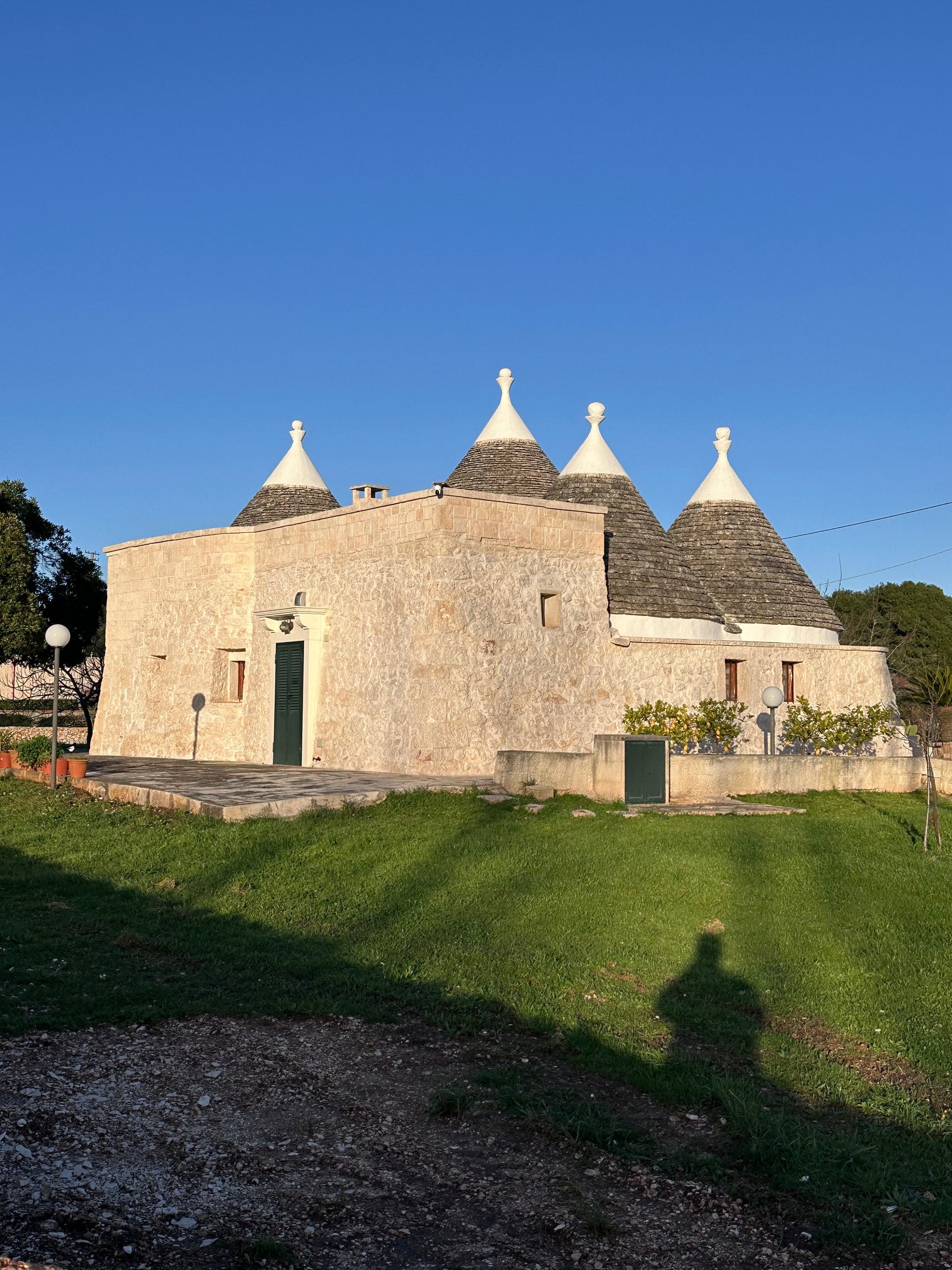
From the gentle folds of the Tuscan landscape, through Puglia—a land shaped over centuries by human hands, its masserie, dry-stone walls, and trulli—to the magnificent, sun-drenched richness of Sicily, Italy unfolds through its olive trees. Each landscape leaves something of itself in the oil.
The harvest date brings you closer to that moment. The best-by date does something different.
KEY TAKEAWAYS
- The harvest date tells you when the olives were harvested and became oil.
- The best-by date is the producer’s estimate of how long the unopened oil should retain its intended quality.
- A best-by date cannot tell you exactly when the olives were harvested.
- The harvest date helps you understand age, but it cannot prove quality by itself.
- Heat, light, air, packaging, and storage also influence freshness.
What Is the Difference Between a Harvest Date and a Best-By Date?
The harvest date looks back. The best-by date looks ahead.
The harvest date tells you when the olives were collected and made into oil. It is the clearest starting point for understanding the oil’s age.
The best-by date tells you how long the producer expects an unopened bottle to retain its intended aroma, flavor, and quality when stored correctly.
Think of bread from a good bakery. The bake date tells you when the loaf was made. The best-by date tells you when the baker expects it to be most enjoyable.
Olive oil is similar. It does not improve by waiting quietly in the cupboard. Freshness is something you can taste.
Which Date Matters More When Buying Olive Oil?
Start with the harvest date.
It brings the bottle back to the grove. It tells you when the olives were still fruit—green or turning ripe beneath the sun—before they were gathered and transformed into oil.
A best-by date cannot take you back to that moment. Producers establish best-by dates according to their own product and shelf-life decisions, so you cannot use one to calculate the exact harvest date.
Clear harvest information also gives you a better way to compare two bottles. When their origin, production, and packaging appear equally credible, the more recent harvest is usually the natural place to begin.
But newer does not automatically mean better. An oil from the latest harvest can still lose its freshness if it has been exposed to heat, light, or poor storage.
Harvest dates are not required on every label, and the rules vary by market. Under European Union olive oil rules, a harvesting year may appear only when all the oil inside the package comes from that stated harvest.
The date is especially useful when choosing early-harvest olive oil, because harvest timing is part of the oil’s flavor and character.
What Can a Harvest Date Tell You About Freshness?
Before olive oil becomes a number on a label, it is fruit.
The harvest date gives you the clearest starting point for understanding freshness—not because a date can tell the whole story, but because olive oil is at its most expressive while its aromas are still alive.
A fresh bottle may suggest:
- Green tomato leaf
- Fresh-cut grass
- Artichoke
- Herbs
- Almond
- Ripe olives
The exact aromas depend on the cultivar, growing region, ripeness, and production. A robust oil may finish with bitterness and a peppery sensation in the throat. A delicate oil may be softer and more subtle.
As olive oil ages and oxidizes, these details begin to fade. What once tasted lively can become flat, waxy, or stale.
The harvest date is therefore one clue—not a guarantee. Freshness also depends on:
- The condition of the olives
- How quickly they reached the mill
- How the oil was produced
- How it was packaged
- How it was stored and transported
- How long the bottle has been open
Dark glass and tin can help protect olive oil from light. Our guide to olive oil packaging explains what glass, tin, and plastic can—and cannot—do.
Can You Use Olive Oil After the Best-By Date?
Possibly. A best-by date is a quality guide, not a switch that makes the oil unusable at midnight.
Olive oil changes gradually. A properly stored, unopened bottle may still be usable after the date, although its aroma and flavor may no longer be at their best.
Use your senses.
Smell it first. Fresh olive oil may smell fruity, grassy, herbal, or like fresh olives. Oxidized oil may smell like crayons, old wax, putty, or stale nuts.
Then taste a small amount. If the oil tastes dull, greasy, stale, or unpleasantly flat, it is time to replace it.
Our guide to whether olive oil goes bad explains what happens as oil ages and how to recognize common warning signs.
What Should You Do After Opening the Bottle?
Once the bottle is open, bring it into the life of the kitchen.
Use it for sautéing vegetables, roasting potatoes, dressing tomatoes, dipping warm bread, or finishing a bowl of pasta. Good olive oil is meant to be enjoyed—not saved so long that its brightest flavors disappear.
Between uses:
- Close the bottle tightly.
- Keep it away from the stove and oven.
- Protect it from direct sunlight.
- Store it in a cool, dark cabinet.
- Choose a bottle size you will use regularly.
Read our complete guide on how to store olive oil.
Milan Truffle’s 100% Italian Extra Virgin Olive Oil is made with olives from our own farm and farmers we know across Italy. Its origin and harvest information bring you closer to the grove, but its place is at the table: for cooking, dressing, dipping, and finishing.
Pour it over warm vegetables, white beans, ripe tomatoes, grilled fish, pasta, or a piece of good bread with sea salt. The bottle begins in the grove, but it earns its place at the table.
Frequently Asked Questions
What does the harvest date on olive oil mean?
It tells you when the olives were harvested and became oil. It is the clearest starting point for understanding the oil’s age.
What does the best-by date on olive oil mean?
It is the producer’s estimate of how long an unopened bottle should retain its intended flavor and quality when stored properly.
Can you calculate the harvest date from the best-by date?
No. Producers may establish best-by dates differently, so the best-by date cannot reveal exactly when the olives were harvested.
Does olive oil expire immediately after the best-by date?
No. Olive oil changes gradually. Smell and taste it for signs that it has become oxidized, stale, or flat.
Should you avoid olive oil without a harvest date?
Not necessarily. A missing harvest date does not prove that the oil is poor quality. But clear harvest information gives you a more transparent way to understand its age and compare it with other bottles.

