
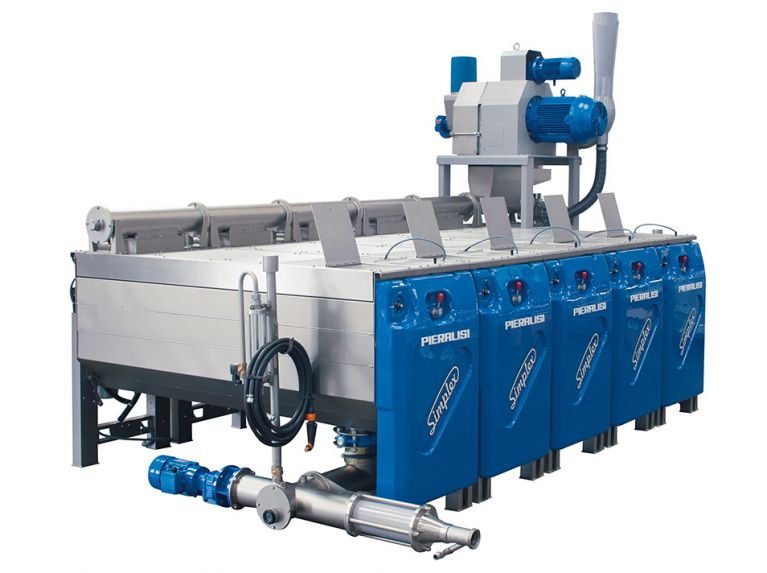
Cold-pressed olive oil and cold-extracted olive oil describe different production methods. Cold pressing uses a traditional mechanical or hydraulic press, while cold extraction separates the oil through percolation or centrifugation.
Under European Union labeling rules, both expressions are tied to a maximum temperature of 27°C (80.6°F), but they are not interchangeable. “First cold pressing” applies to oils obtained below 27°C by the first mechanical pressing of the olive paste using a traditional extraction system. “Cold extraction” applies to oils obtained below 27°C through percolation or centrifugation.
The essential distinction is therefore simple: “cold” describes the temperature condition, while “pressed” and “extracted” describe the technology used to separate the oil.
Quick Answers
- What does cold-pressed olive oil mean? It refers to olive oil obtained below 27°C using a traditional pressing system.
- What does cold-extracted olive oil mean? It refers to olive oil obtained below 27°C through percolation or centrifugation.
- Are cold pressed and cold extracted the same thing? No. They share a temperature condition but describe different extraction technologies.
- What does first cold pressed mean? It refers to oil obtained below 27°C during the first mechanical pressing of olive paste using a traditional extraction system.
- Does cold pressed mean extra virgin? No. “Cold pressed” describes a production indication; “extra virgin” is an olive-oil grade.
- Is cold-extracted olive oil better than cold-pressed olive oil? Not automatically. The terms identify production methods and do not, by themselves, establish the overall quality of the finished oil.
What This Article Explains
Cold-Pressed vs. Cold-Extracted Olive Oil: What Is the Difference?
The difference is the extraction technology. Traditional cold pressing separates the liquid from olive paste by applying pressure. Cold extraction uses percolation or centrifugation instead of a traditional press.
The word “cold” does not identify which of these technologies was used. It refers to the temperature condition associated with the production indication.
| Aspect | First Cold Pressing | Cold Extraction |
|---|---|---|
| Production method | Oil is separated by applying pressure to olive paste using a traditional press. | Oil is separated through percolation or centrifugation rather than pressing. |
| Equipment | Mechanical or hydraulic presses. | Decanter centrifuges or percolation systems. |
| Temperature requirement | Below 27°C (80.6°F). | Below 27°C (80.6°F). |
| Meaning of the term | Describes a pressing technology and temperature condition. | Describes an extraction technology and temperature condition. |
| Typical association | Traditional olive-oil production systems. | Modern continuous olive-oil extraction systems. |
| Does it indicate quality? | No. The term identifies a production method, not overall quality. | No. The term identifies a production method, not overall quality. |
The essential distinction is:
Cold Pressing = Traditional Press Technology
Cold Extraction = Centrifugation or Percolation Technology
Both can operate below the 27°C threshold. Therefore, cold pressed does not mean higher quality, and cold extracted does not mean lower quality.
What Does Cold-Pressed Olive Oil Mean?
Cold-pressed olive oil refers to oil produced with a traditional pressing system while maintaining the required low-temperature condition.
In a traditional system, olives are crushed into a paste. The paste is distributed onto filtering mats or discs, which are stacked and subjected to mechanical or hydraulic pressure. Pressure separates the liquid phase containing oil and vegetation water from the solid material.
The terminology comes from a period when pressing was the normal way of physically separating olive oil from the paste. It therefore describes an actual production technology, not simply a synonym for mechanically produced olive oil.
What Does Cold-Extracted Olive Oil Mean?
Cold-extracted olive oil is produced below 27°C using percolation or centrifugation rather than a traditional press.
Modern continuous mills generally crush the olives, mix the resulting paste during malaxation, and then use centrifugal force to separate the oil from the other components of the paste.
This is why a bottle produced in a modern centrifuge-based mill may correctly say “cold extracted” rather than “first cold pressed.” The oil was mechanically obtained, but it was not produced by pressing the paste between traditional press systems.
Our Lumìa 100% Italian Extra Virgin Olive Oil is cold extracted in Italy.
What Does First Cold Pressed Mean?
“First cold pressed” is terminology rooted in traditional olive-oil production. It refers to the first mechanical pressing of olive paste under the specified low-temperature condition.
The word “first” makes sense in the context of traditional pressing because the paste was physically subjected to a pressing cycle. Historically, additional processing could be used to recover more oil from the remaining material.
Modern continuous centrifugation does not operate as a sequence of first, second, and later pressings. That is why “cold extracted” is the technically relevant expression for oil obtained through modern percolation or centrifugation systems.
Why Does 27°C Matter for Cold-Pressed and Cold-Extracted Olive Oil?
The 27°C (80.6°F) threshold distinguishes the regulated low-temperature production indications used for virgin and extra virgin olive oils in European labeling.
The important point is that the temperature threshold and the extraction technology are two separate pieces of information.
- Below 27°C + traditional press: first cold pressing.
- Below 27°C + percolation or centrifugation: cold extraction.
This is why reading only the word “cold” does not tell you how the oil was physically separated from the olive paste.
Does Cold-Pressed Mean Extra Virgin Olive Oil?
No. “Cold pressed” and “extra virgin” describe different properties of olive oil.
Extra virgin olive oil is a grade. Its classification depends on requirements governing how virgin olive oil is obtained as well as applicable chemical and sensory criteria. See our guide to how Italian olive oil is classified for a detailed explanation of olive-oil categories and classification requirements.
First cold pressing and cold extraction, by contrast, are production indications describing particular extraction conditions and technologies.
That distinction matters because consumers sometimes treat “cold pressed” as though it were another name for EVOO. It is not.
For the broader framework covering EVOO grade, production, acidity, freshness, sensory characteristics, cooking, and storage, see our complete guide to extra virgin olive oil.
Is Cold-Extracted Olive Oil Better Than Cold-Pressed Olive Oil?
Not automatically. “Cold extracted” and “cold pressed” identify how the oil was produced; neither expression is, by itself, a complete quality judgment.
Modern centrifugation systems offer practical advantages in continuous processing, hygiene, process control, and separation efficiency. Traditional presses use a fundamentally different physical system.
But extraction technology alone does not tell a consumer everything about the finished oil. Olive condition, processing, handling, classification, freshness, and storage also matter.
The useful question is therefore not simply “Which phrase sounds more premium?” but “What production method does the label actually describe?”
What Should You Look for on an Olive Oil Label?
Read “cold pressed” or “cold extracted” as production information, not as a complete quality score.
If the bottle says “first cold pressed,” the claim describes traditional pressing under the applicable temperature condition. If it says “cold extracted,” it describes extraction through percolation or centrifugation under the applicable temperature condition.
Then evaluate the other information on the bottle separately. Grade, origin, producer identification, lot information, dates, and other required or voluntary statements answer different questions from the extraction terminology.
For the broader consumer framework, see our guide to how to choose real olive oil.
The Bottom Line
Cold-pressed olive oil and cold-extracted olive oil are not the same production method.
First cold pressing describes oil obtained below 27°C through the first mechanical pressing of olive paste using a traditional press. Cold extraction describes oil obtained below 27°C through percolation or centrifugation.
The simplest way to remember the distinction is:
“Cold” tells you about temperature. “Pressed” or “extracted” tells you about the production technology.
Neither expression should be treated as a standalone guarantee of superior olive-oil quality, and neither is another name for the extra virgin grade.
For the complete framework covering what EVOO is, how it is produced and classified, freshness, acidity, sensory characteristics, cooking, and storage, see our complete guide to extra virgin olive oil.

