
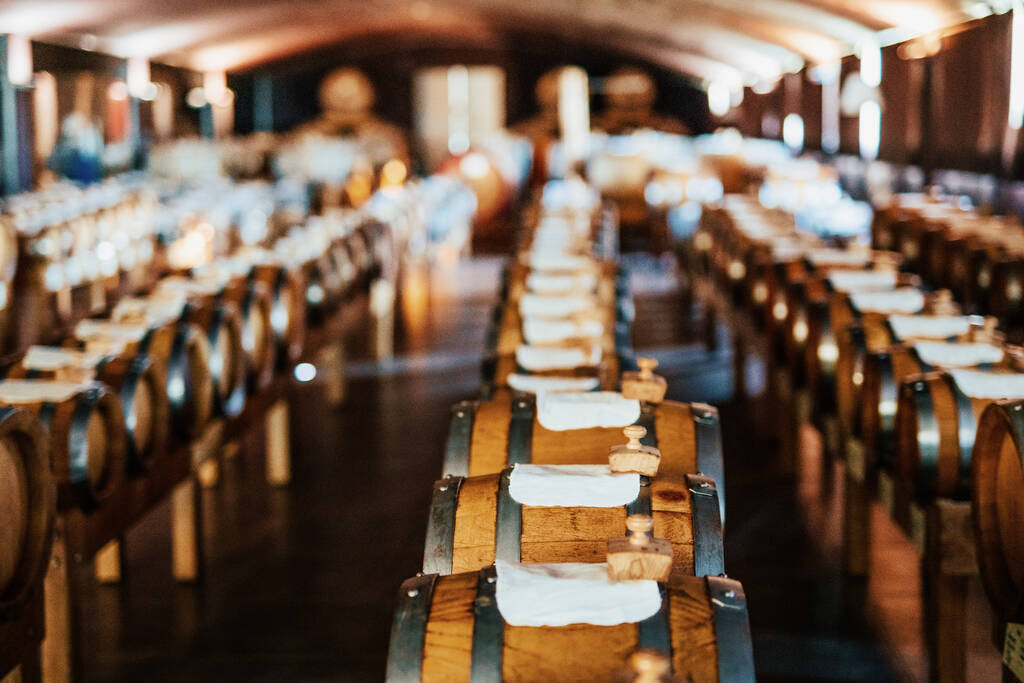
Different Types of Vinegar and Their Uses
Vinegar, a fermented condiment made primarily of water and acetic acid, adds sourness and flavor to food. Its starting ingredients and production method determine its aroma, sweetness, color and body.
The type matters because each vinegar brings a different balance of acidity, aroma, sweetness, color, and body. Balsamic vinegar can be sweet and grape-driven; distilled white vinegar is sharp and neutral; rice vinegar is mild; apple cider vinegar is fruity; honey vinegar is floral and rounded; and sherry vinegar is nutty and complex. They belong to the same category, but they are not interchangeable in every recipe.
Quick Answer
- What is vinegar? An acidic liquid produced when acetic-acid bacteria convert alcohol into acetic acid.
- How many types of vinegar are there? There is no fixed total; this guide lists 24 examples and explains 12 principal culinary types.
- What determines the type? Primarily the fermented starting material, production method, aging, geographic rules, and any added flavoring.
- Which vinegars are most common? Balsamic, distilled white, wine, apple cider, rice, malt, sherry, and champagne vinegar.
- What is vinegar made of? Water and acetic acid, the compound that makes vinegar sour, plus flavor carried over from its source: grapes, apples, rice, barley, honey or distilled alcohol.
- Is vinegar made from grapes? Some is. Wine, balsamic, sherry and champagne vinegars come from grapes; distilled white (spirit), cider, rice and malt vinegars do not.
- Which vinegar is best? It depends on the dish: wine vinegar for versatile cooking, rice vinegar for delicate preparations, balsamic for cooking and finishing, and the vinegar and acidity specified by a tested pickling recipe.
- Can one vinegar replace another? Often in dressings and sauces, but not automatically in shelf-stable pickling or canning.
Key Facts
| Attribute | Value |
|---|---|
| Food category | Acidic fermented condiment |
| Defining conversion | Alcohol converted into acetic acid by acetic-acid bacteria |
| Common starting materials | Grapes, apples, rice, barley, honey, coconut sap, cane, fruit, and distilled alcohol |
| Examples listed in this guide | 24 |
| Principal types explained | 12 |
| FDA labeling guideline | At least 4 grams of acetic acid per 100 mL for the listed vinegar categories |
| Pickling rule | Use the vinegar, acidity, and proportions required by a tested preservation recipe |
| Selection principle | Match acidity, flavor, color, and body to the food and technique |
How Many Types of Vinegar Are There?
There is no fixed total. Vinegar can be made from many fermentable fruits, grains, saps, sugars, and alcoholic liquids, while aging, geographic rules, and flavoring create further variations. The following list includes 24 distinct vinegar types and families that consumers may encounter:
- White wine vinegar
- Red wine vinegar
- Apple cider vinegar
- Balsamic Vinegar of Modena IGP
- Aged wine vinegar
- Rice vinegar
- Red rice vinegar
- Malt vinegar
- Honey vinegar
- Cane vinegar
- Coconut vinegar
- Raisin vinegar
- Passion-fruit vinegar
- Tomato vinegar
- Pomegranate vinegar
- Apricot vinegar
- Plum vinegar
- Jamun or Java-plum vinegar
- Distilled white vinegar
- Black or Chinkiang vinegar
- Beer vinegar
- Sherry vinegar
- Champagne vinegar
- Flavored vinegar, including herb-, fruit-, garlic-, or chili-infused varieties
This is an illustrative list, not a closed legal classification. The detailed guide below focuses on the principal culinary categories most likely to appear in American grocery stores, specialty-food shops, and recipes.
What Is Vinegar and What Is It Made Of?
Vinegar is an acidic liquid produced when microorganisms convert alcohol into acetic acid. The alcohol normally comes first: yeasts turn sugars from fruit, grain, or another fermentable ingredient into alcohol, and acetic-acid bacteria then transform that alcohol in the presence of oxygen.
The starting material helps determine the finished flavor. Apple juice produces cider vinegar; grape juice can become wine vinegar; malted barley produces malt vinegar; and dilute distilled alcohol produces distilled or spirit vinegar. These definitions follow the FDA’s vinegar labeling guidance, which also states that the listed vinegar categories should contain at least 4 grams of acetic acid per 100 milliliters.
Some unfiltered vinegars contain a cloudy or stringy substance called the “mother.” It is associated with the organisms and cellulose formed during vinegar production. Its presence does not automatically make a vinegar better, and a clear filtered vinegar is not necessarily inferior.
Vinegar Comparison Chart
| Type | Typical Character | Best Uses |
|---|---|---|
| Balsamic vinegar | Sweet-tart, dark, grape-driven | Dressings, glazes, cheese, fruit, finishing |
| Distilled white vinegar | Sharp, clean, neutral | Pickling, baking, poaching, selected household uses |
| White wine vinegar | Bright, dry, lightly fruity | Vinaigrettes, pan sauces, marinades, light-colored foods |
| Red wine vinegar | Robust, tangy, grape-like | Salads, marinades, beans, braises, mignonette |
| Champagne vinegar | Delicate, crisp, mild | Seafood, tender greens, light sauces |
| Sherry vinegar | Nutty, complex, rounded | Soups, beans, roasted vegetables, sauces |
| Apple cider vinegar | Fruity, assertive, tart | Slaws, chutneys, marinades, pickling |
| Rice vinegar | Mild, clean, sometimes sweetened | Sushi rice, dipping sauces, delicate dressings |
| Black vinegar | Malty, smoky, savory | Dumpling dips, braises, noodle sauces |
| Malt vinegar | Toasty, strong, slightly sweet | Fish and chips, hearty pickles, robust sauces |
| Honey vinegar | Delicate, floral, gently sweet-tart | Salads, fruit, pork, glazes, sweet-and-sour vegetables |
| Coconut vinegar | Bright, mildly fruity, sometimes yeasty | Dipping sauces, marinades, braises, Southeast Asian dishes |
Different Types of Vinegar
Balsamic Vinegar
Balsamic vinegar is dark, sweet-tart, and closely associated with Modena and Reggio Emilia. But “balsamic” on a front label does not describe one universal recipe or quality level. Traditional Balsamic Vinegar PDO, Balsamic Vinegar of Modena IGP, and generic balsamic-style condiments belong to different categories.
The protected IGP category may combine cooked or concentrated grape must with wine vinegar under defined production rules. The official EU registration for Balsamic Vinegar of Modena IGP sets its permitted ingredients and production requirements. For what the IGP designation guarantees and how it differs from DOP, see our guide to Balsamic Vinegar of Modena IGP. For a practical explanation of the categories, aging, and price differences, read why balsamic vinegar can be expensive.
Use younger, brighter balsamic vinegar in vinaigrettes, marinades, and reductions. Reserve dense, balanced examples for finishing Parmigiano Reggiano, strawberries, roasted vegetables, gelato, or grilled meat. If you want a protected everyday Italian option, see our Balsamic Vinegar of Modena IGP.
For a bottle chosen for its Italian origin, see our Italian balsamic vinegar.
Distilled White Vinegar
Distilled white vinegar is made by the acetous fermentation of dilute distilled alcohol. It has a clean, forceful acidity with little aroma from the original raw material. That neutrality makes it useful when a recipe needs acid without added color or a distinctive fruit character.
It is common in pickling, poaching liquids, and baking recipes that pair vinegar with baking soda. It can also serve selected household purposes, but culinary vinegar and products labeled specifically as cleaning vinegar should not be treated as interchangeable foods.
White Wine Vinegar
White wine vinegar is produced from grape wine and retains a light wine-like character. It is brighter and more aromatic than distilled white vinegar but usually less dominant than red wine vinegar.
Use it in vinaigrettes, mayonnaise, mustard, beurre blanc, pan sauces, marinades, and dishes where a darker vinegar would affect the appearance. It is often the easiest all-purpose culinary vinegar for a cook who prefers clean acidity with a little complexity.
Red Wine Vinegar
Red wine vinegar is deeper and more robust than white wine vinegar. It works naturally with olive oil, tomatoes, lentils, beans, roasted peppers, red onions, and strongly flavored herbs.
Choose it for Greek-style salads, Italian-American vinaigrettes, marinades, braised dishes, and mignonette for oysters. Its color can tint pale ingredients, which is useful in some pickles and undesirable in others.
Champagne Vinegar
Champagne vinegar is a delicate wine vinegar with crisp acidity and restrained fruitiness. Its subtle character suits tender greens, seafood, poultry, and sauces where red wine vinegar or cider vinegar might overwhelm the other ingredients.
It is an elegant choice for a simple vinaigrette with extra virgin olive oil, Dijon mustard, and herbs. In most uncooked recipes, white wine vinegar can substitute for it, though the result may taste slightly sharper.
Sherry Vinegar
Sherry vinegar brings nutty, woody, and gently caramelized notes. It has enough depth for roasted vegetables, lentils, beans, soups, pan sauces, and reductions, yet it is usually less sweet and syrupy than balsamic vinegar.
A small splash can lift a finished soup or stew without making it taste overtly vinegary. It is also particularly good with extra virgin olive oil, toasted nuts, aged cheese, mushrooms, and cured meats.
Apple Cider Vinegar
Apple cider vinegar is made through the alcoholic and subsequent acetous fermentation of apple juice. It combines clear acidity with an identifiable apple character. Filtered versions are clear; unfiltered versions may contain sediment or mother.
Its fruitiness works well in cabbage slaws, barbecue sauces, chutneys, pork marinades, bean dishes, and pickles. Culinary usefulness does not require turning it into a wellness remedy: choose it because its flavor suits the food.
Rice Vinegar
Rice vinegar is generally milder and less aggressive in flavor than many Western wine vinegars. It is used in sushi rice, dipping sauces, quick pickles, stir-fries, and dressings across several Asian cuisines.
Read the label before substituting it. “Seasoned rice vinegar” normally contains added sugar and salt, so it will change both seasoning and sweetness. Plain rice vinegar gives the cook more control.
Black Vinegar
Black vinegar is a broad family of dark, aged grain vinegars rather than a synonym for one single product. Chinese Chinkiang or Zhenjiang vinegar is one of the best-known examples. Depending on the style, black vinegar may be made from rice and other grains and can taste malty, smoky, savory, and gently sweet.
Use it for dumpling dipping sauces, cold noodles, braised meat, stir-fries, and soups. A mixture of rice vinegar and a little balsamic can imitate part of its sweet-dark profile in an emergency, but it will not reproduce the same grain aroma.
Malt Vinegar
Malt vinegar is made from malted barley or cereals whose starch has been converted by malt, followed by alcoholic and acetous fermentation without distillation. It has a toasted, grain-driven flavor that stands up to fried and hearty foods.
Its classic partner is fish and chips, but it can also season roasted potatoes, robust sauces, relishes, and certain pickles. Because it is made from barley, anyone who must avoid gluten should check the product and applicable dietary guidance rather than assuming every vinegar is suitable.
Honey Vinegar
Honey vinegar begins with honey diluted in water. Yeasts first convert its sugars into alcohol, producing a mead-like base; acetic-acid bacteria then convert that alcohol into vinegar. The finished profile varies with the honey but is generally floral, rounded, and less aggressive in aroma than distilled white vinegar.
Use honey vinegar in vinaigrettes, fruit salads, grilled vegetables, pork marinades, glazes, and sweet-and-sour preparations. Its name does not guarantee that the finished vinegar will taste sugary, so taste the product before adjusting the sweetness of a recipe. For preservation, use it only when a tested recipe specifies a vinegar with its labeled acidity.
Coconut Vinegar
Coconut vinegar is produced from fermented coconut sap or coconut water, depending on the product. It does not taste like sweet coconut cream: its character is typically bright, earthy, and mildly fruity, with variations in sweetness and intensity between producers.
It appears in several Southeast Asian cuisines and works well in dipping sauces, marinades, braises, relishes, and quick pickles. When substituting it, plain rice vinegar is usually a better starting point than balsamic or distilled white vinegar, but taste first because coconut vinegars vary considerably.
Spirit Vinegar vs Grape Vinegar
Spirit vinegar, the British and European name for distilled white vinegar, is made by fermenting dilute distilled alcohol; it is sharp, clear and neutral. Grape vinegar, usually sold as wine vinegar, is made from grape wine and keeps a fruity, wine-like aroma. Use spirit vinegar when a recipe needs acid without flavor or color; use grape vinegar when the vinegar should contribute flavor.
Malt Vinegar vs Balsamic Vinegar
Malt vinegar is made from malted barley and tastes toasty, sharp and grain-driven. Balsamic vinegar is made from grapes (cooked grape must, with wine vinegar in the IGP category) and tastes sweet-tart and fruity. They are not interchangeable: malt vinegar suits fried food and robust pickles, balsamic suits dressings, cheese, fruit and finishing. In the UK, "brown vinegar" usually refers to malt vinegar or a colored vinegar; the ingredient list identifies which.
How to Use Balsamic Vinegar in Cooking
Balsamic vinegar is the most versatile bridge between everyday vinegar and a finishing condiment. The key is not simply deciding what food it accompanies, but choosing when to add it and how much to use. A fluid, brighter Balsamic Vinegar of Modena IGP can help build a dressing, marinade, or sauce. A denser balsamic contributes more sweetness and body and is usually best used sparingly near the end.
With Olive Oil and Bread
Balsamic Vinegar of Modena IGP pairs with extra virgin olive oil for a simple bread dip. Pour the oil onto a shallow plate, add a small amount of balsamic vinegar, and serve with warm ciabatta or focaccia. For exact proportions and serving instructions, see our balsamic vinegar for bread dipping.
For toasted bread with toppings, see our balsamic vinegar for bruschetta.
With Meat
Use balsamic vinegar in a marinade for pork, poultry, or beef, or add a small amount to a pan sauce after cooking. On grilled meat, a measured finishing drizzle can balance richness without covering the browned flavors. Because balsamic contains grape sugars, avoid prolonged high heat that can reduce it too far and turn its sweetness bitter.
For marinade times and a pan sauce, see our balsamic vinegar for meat.
With Fish
Balsamic works best with fish when used precisely. A few drops can complement salmon, tuna, shrimp, or a robust fish soup, but a heavy pour can overwhelm delicate white fish. Add it after cooking or whisk a small amount into a restrained vinaigrette.
For a pan-seared method, see our balsamic vinegar for fish; for baked salmon and salmon tartare, our balsamic vinegar for salmon.
With Vegetables and Salads
Whisk balsamic vinegar with extra virgin olive oil for tomatoes, leafy salads, beans, or grain bowls. On grilled or roasted vegetables, add it near the end so the acidity restores brightness after the vegetables have browned and concentrated. It is especially effective with onions, radicchio, squash, mushrooms, and roasted peppers.
For vinaigrette ratios, see our balsamic vinegar for salad; for oven times, our balsamic vinegar for roasted vegetables.
With Parmigiano Reggiano and Other Cheeses
Aged Parmigiano Reggiano and balsamic vinegar are a classic pairing because the vinegar’s sweet acidity contrasts with the cheese’s saltiness and concentrated savory character. Start with a few drops on broken shards of cheese. Balsamic can also complement aged pecorino, fresh ricotta, goat cheese, and creamy blue cheese, but the amount should follow the intensity of the cheese.
For serving suggestions, see our balsamic vinegar for Parmigiano Reggiano.
With Fruit and Desserts
Use balsamic vinegar with strawberries, figs, peaches, pears, or berries to sharpen their aroma and temper perceived sweetness. A few drops can also finish vanilla gelato, panna cotta, zabaglione, or dark chocolate desserts. Dense balsamic should be applied directly; a thinner everyday IGP can be reduced gently if a recipe needs a glaze.
For fruit, see our balsamic vinegar for strawberries; for gelato and a quick reduction, our balsamic vinegar for ice cream.
In Marinades, Sauces, and Reductions
In a marinade, balsamic contributes acidity, sweetness, and grape character. In a sauce, it can balance fat or add depth. For a reduction, choose a fluid balsamic and simmer it briefly over low heat, watching closely as it thickens. A naturally dense, concentrated balsamic does not need reduction and usually gives a clearer flavor when used uncooked.
Practical rule: start with less than you think you need. Taste the complete dish, then add more only if the vinegar improves the balance. Explore the differences between protected categories in our guide to why balsamic vinegar can be expensive, or shop our Italian Balsamic Vinegar of Modena IGP.
Which Vinegar Should You Use?
- For salad dressing: start with red or white wine vinegar. Choose champagne vinegar for delicate greens, cider vinegar for fruit or cabbage, and balsamic for richer or sweeter combinations.
- For marinades: match the vinegar to the food. Wine vinegar suits meat and vegetables, rice vinegar suits lighter Asian-style marinades, and cider vinegar pairs naturally with pork.
- For finishing: use a vinegar with character, such as balsamic or sherry vinegar, a few drops at a time.
- For baking: distilled white vinegar or cider vinegar usually supplies acidity without adding too much competing flavor.
- For pickling: follow the recipe, including its specified vinegar and acidity, rather than choosing only by taste.
Can You Substitute One Vinegar for Another?
For vinaigrettes, sauces, and marinades, substitutions are often possible. White wine and champagne vinegar are close partners. Red and white wine vinegar can replace each other when color is not important. Cider vinegar can replace wine vinegar when a fruitier result is welcome. Plain rice vinegar is milder, so the dish may need more of it or a seasoning adjustment.
Balsamic vinegar is harder to replace because it contributes sweetness, color, and body as well as acidity. Distilled white vinegar is also much sharper and more neutral than wine vinegar, so a one-for-one substitution can make a dressing taste severe.
Do not apply casual culinary substitution rules to shelf-stable canning. The National Center for Home Food Preservation’s pickling guidance recommends tested recipes and white distilled or cider vinegar labeled 5% acidity. It warns against changing the proportions of vinegar, food, or water or using vinegar of unknown acidity.
How to Store Vinegar
Keep vinegar tightly closed in a cool, dark cupboard away from heat and direct sunlight. Refrigeration is generally unnecessary for plain commercial vinegar. Over time, unfiltered vinegar may develop more sediment, and some vinegars can change in color or clarity; these changes are not automatically signs that the product is unsafe.
Flavored vinegar containing added fruit, herbs, or other ingredients may have different storage instructions. Follow the label, especially after opening.
Frequently Asked Questions
What type of vinegar is best?
No single vinegar is best for every purpose. Wine vinegar is versatile for dressings and sauces; distilled white or cider vinegar is commonly specified for tested pickling recipes; rice vinegar suits delicate dishes; sherry vinegar adds savory complexity; and balsamic vinegar can move from everyday cooking to finishing, depending on its style and density.
Which type of vinegar is healthiest?
There is no authoritative standard naming one vinegar as the healthiest. Vinegar is a condiment, not a substitute for medical treatment or a balanced diet. Choose according to flavor, ingredients, intended use, and individual dietary needs rather than broad wellness promises.
What is the difference between white vinegar and white wine vinegar?
Distilled white vinegar is made from dilute distilled alcohol and has a sharp, neutral profile. White wine vinegar is made from grape wine and retains a milder, fruitier wine character.
What is the best vinegar for salad dressing?
White or red wine vinegar is the most versatile starting point. Champagne vinegar suits delicate salads, cider vinegar works with cabbage and fruit, and balsamic complements cheese, tomatoes, berries, and roasted vegetables.
Is balsamic vinegar the same as wine vinegar?
No. Wine vinegar is made through the alcoholic and acetous fermentation of grape juice. Protected balsamic categories follow their own ingredient, geographic, and production specifications and may include grape must and wine vinegar in different forms.
Is rice vinegar the same as seasoned rice vinegar?
No. Seasoned rice vinegar usually contains added sugar and salt. Plain rice vinegar is the better choice when a recipe already specifies its own seasoning.
Which vinegar is best for pickling?
For tested home-canning recipes, white distilled vinegar and cider vinegar labeled 5% acidity are commonly recommended. Use the type, strength, and proportions stated in the tested recipe.
Does vinegar need to be refrigerated?
Plain commercial vinegar generally does not require refrigeration. Store it sealed in a cool, dark place. Follow the manufacturer’s instructions for flavored products.
Does vinegar contain alcohol?
Vinegar can contain a small amount of residual alcohol left over from fermentation, and the amount varies by product. The Codex Alimentarius regional European standard for vinegar sets a maximum of 1% residual alcohol by volume for wine vinegar and 0.5% for other vinegars. In the United States, spirit vinegar made from specially denatured alcohol may contain no more than 0.5% alcohol by volume.
What does vinegar look like?
Vinegar is a liquid whose color usually reflects its source and processing. Distilled white and rice vinegar are typically clear; wine and cider vinegars range from pale gold to red or amber; sherry, malt and balsamic vinegars are usually darker. Unfiltered vinegar may look cloudy.
What is the mildest vinegar?
Plain rice vinegar is commonly considered one of the mildest culinary vinegars. Acidity varies by brand, so compare the acidity percentage printed on the label.
The Bottom Line
You do not need every vinegar in the aisle. A practical pantry might contain one wine vinegar for everyday cooking, distilled white or cider vinegar for recipes that specifically require it, and one characterful finishing vinegar such as balsamic or sherry. Choose by flavor for ordinary cooking—but when preservation safety depends on acidity, follow a tested recipe exactly.

