
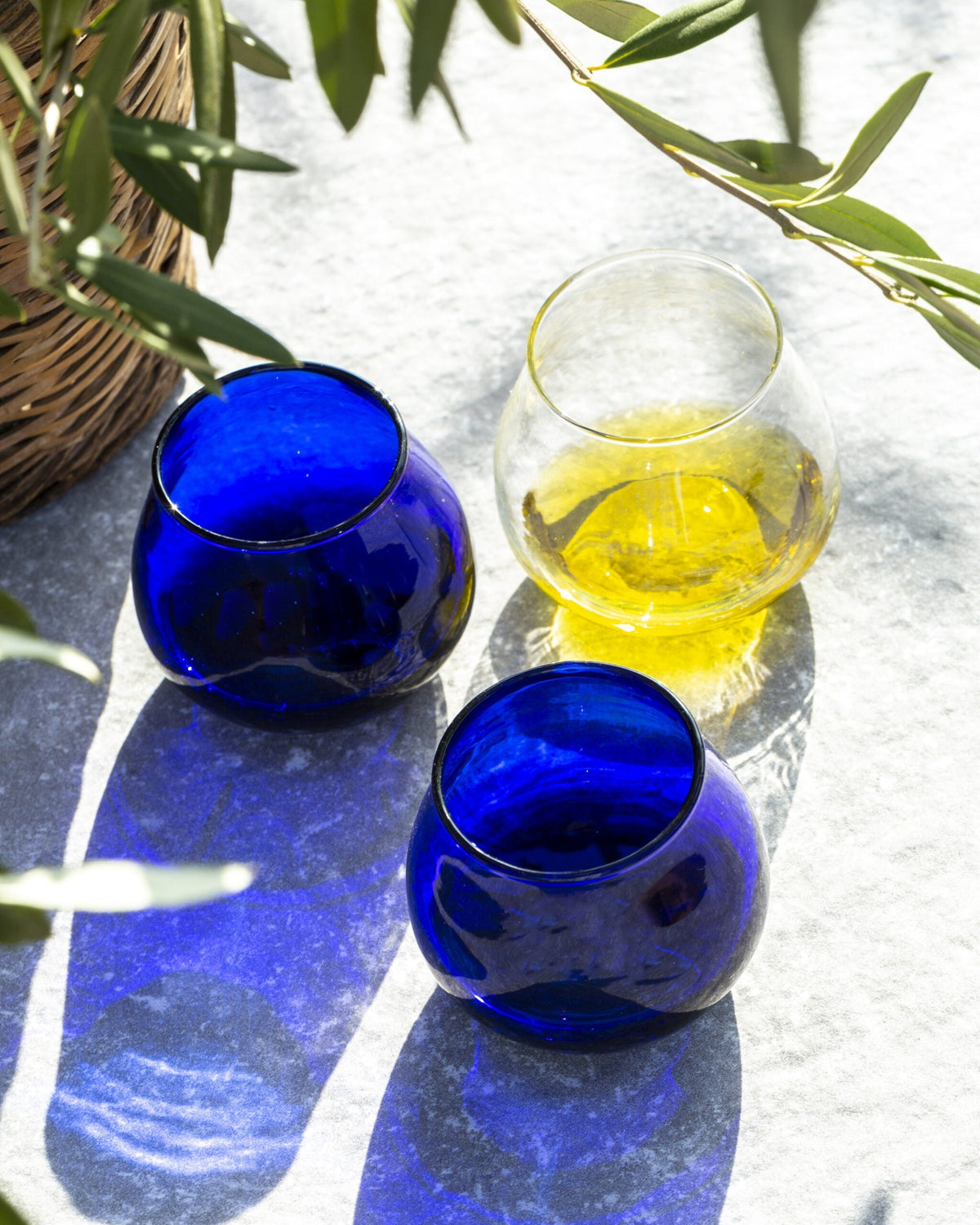
Can You Drink Extra Virgin Olive Oil?
Yes. Extra Virgin Olive Oil can be consumed directly. Some people take a spoonful or small “shot,” while others consume the same oil with bread, vegetables, soups, salads, or cooked food. Drinking EVOO is a method of consumption—not a separate olive-oil grade and not a requirement for obtaining the nutrients found in the oil.
The important distinction is between evidence about Extra Virgin Olive Oil within meals or a Mediterranean dietary pattern and evidence about drinking EVOO by itself. Most major studies evaluate olive oil as part of the diet. They do not prove that taking it alone, first thing in the morning, or on an empty stomach creates an additional benefit.
For the broader explanation of how EVOO is defined, produced, graded, and distinguished from refined olive oils, see what Extra Virgin Olive Oil means.
Quick Answer
- Can you drink EVOO? Yes. Plain Extra Virgin Olive Oil is a food and can be consumed directly.
- Do you need to drink it? No. EVOO can be consumed with food, during cooking, or as a finishing oil.
- Is morning better? No strong evidence establishes that morning consumption produces greater benefits than another time of day.
- Is an empty stomach better? No strong evidence establishes an empty-stomach advantage. Some people may find straight oil unpleasant or experience digestive discomfort.
- How much is a tablespoon? One tablespoon is approximately 15 milliliters and typically supplies about 120 calories.
- Which oil should you choose? If you drink olive oil, choose fresh, traceable Extra Virgin Olive Oil rather than a refined olive-oil category.
Potential Benefits of Drinking Extra Virgin Olive Oil
Extra Virgin Olive Oil contains monounsaturated fat and naturally occurring minor compounds, including phenolic compounds. The evidence below concerns EVOO or olive oil consumption; it should not automatically be interpreted as proof that a separate daily shot is superior to consuming the same oil with food.
- Cardiovascular health: Olive oil is rich in oleic acid, a monounsaturated fatty acid. The FDA’s qualified health claim for high-oleic oils states that supportive but not conclusive evidence suggests that about 1½ tablespoons daily may reduce coronary-heart-disease risk when oils high in oleic acid replace fats higher in saturated fat without increasing total calories. The key word is replace: adding oil on top of an unchanged diet is not the same intervention.
- Mediterranean dietary pattern: In the PREDIMED trial, a Mediterranean diet supplemented with EVOO was associated with fewer major cardiovascular events than advice to follow a low-fat diet among adults at high cardiovascular risk. This supports EVOO within a complete dietary pattern; it did not test whether drinking a morning shot was better than using EVOO in meals.
- Cholesterol: MedlinePlus guidance on monounsaturated fats explains that replacing saturated and trans fats with moderate amounts of monounsaturated and polyunsaturated fats can help lower LDL cholesterol. Olive oil is one source of monounsaturated fat.
- Phenolic compounds and inflammation: EVOO contains phenolic compounds, including oleocanthal. Laboratory research published in Nature on oleocanthal’s ibuprofen-like activity found that oleocanthal inhibits the same cyclooxygenase enzymes targeted by ibuprofen. That biochemical finding does not make EVOO a substitute for anti-inflammatory medication or establish a therapeutic dose. Learn more about polyphenols in olive oil.
- Post-meal blood-glucose response: A small randomized crossover trial in people with type 1 diabetes found that EVOO added to a high-glycemic meal reduced the early post-meal glucose response compared with butter or a low-fat meal. The trial involved 13 participants and evaluated EVOO as part of a meal; it does not establish that drinking EVOO alone treats diabetes. Other meal studies have produced context-dependent results, so people managing diabetes should not change treatment or insulin decisions on the basis of an olive-oil article.
- Constipation: A 2025 double-blind clinical trial compared two tablespoons per day of EVOO with refined olive oil for four weeks in adults diagnosed with chronic constipation. The EVOO group showed greater improvement in the study’s constipation measures. This is relevant emerging evidence, but one trial does not establish a universal remedy or mean that persistent constipation should be self-treated without medical evaluation.
How Do People Drink Extra Virgin Olive Oil?
People who consume EVOO directly generally measure it with a teaspoon or tablespoon and swallow it plain. Others combine it with food immediately afterward. The practice is sometimes described as Mediterranean, but everyday Mediterranean olive-oil consumption is more commonly embedded throughout meals: in vegetables, legumes, bread, fish, soups, sauces, and finishing.
A separate shot should therefore be understood as one contemporary consumption format—not as the defining way Italians or Mediterranean populations use olive oil.
How Much Extra Virgin Olive Oil Should You Drink?
There is no universal medically required “shot” of EVOO. A teaspoon is about 5 milliliters; a tablespoon is about 15 milliliters. One tablespoon of olive oil typically supplies approximately 120 calories, all from fat. Those calories matter if the oil is being added rather than substituted for another fat; see our guide to calories and energy in olive oil for the full context.
The FDA’s qualified cardiovascular claim concerns about 1½ tablespoons of oils high in oleic acid per day when used to replace fats higher in saturated fat and without increasing total calorie intake. It is not an instruction to drink 1½ tablespoons on top of the rest of the diet.
If you are trying straight EVOO for the first time, a small quantity is easier to evaluate than a large pour. There is no reason to force a quarter cup, and no established evidence that 60 milliliters every morning is necessary.
Can You Drink EVOO on an Empty Stomach?
Yes, but there is no strong evidence that an empty stomach improves EVOO’s effects. Timing claims are often repeated as ritual—“first thing in the morning,” “before breakfast,” or “before bed”—without a clinical comparison showing that one time consistently produces better outcomes.
Some people tolerate straight oil comfortably. Others may experience nausea, fullness, loose stools, reflux, or general digestive discomfort, particularly with a larger amount. If consuming EVOO alone feels unpleasant, use it with food instead. EVOO does not stop being EVOO when it is poured over vegetables, absorbed into bread, used in a sauce, or incorporated into a meal.
Is Drinking EVOO Better Than Eating It With Food?
No established evidence shows that swallowing EVOO separately is generally superior to consuming it with food. In fact, much of the strongest cardiovascular evidence comes from dietary patterns and substitution—using olive oil in place of fats higher in saturated fat—not from isolated shots.
Using EVOO with food may also be easier to sustain. It can dress vegetables, finish beans and soups, replace butter in appropriate preparations, begin a soffritto, or finish fish, pasta, and roasted vegetables. Drinking it directly is optional; regular culinary use is not a lesser form of consumption.
What Kind of Olive Oil Should You Drink?
If you choose to drink olive oil, use Extra Virgin Olive Oil. EVOO is obtained directly from olives through mechanical or physical processes, remains unrefined, and must meet defined chemical and sensory requirements. Products labeled simply “olive oil,” “pure olive oil,” or “light olive oil” may include refined olive oil.
Evaluate the bottle using several independent signals:
- Grade: The legal product name should state Extra Virgin Olive Oil.
- Origin: Identify where the olives were harvested and the oil produced—not merely where it was bottled.
- Harvest information: Look for a harvest date, harvest season, or crop year when available.
- Producer transparency: Prefer a named producer, mill, estate, cooperative, or traceable supply chain.
- Packaging: Dark glass, tins, and other light-protective packaging help preserve existing quality.
- Size: Buy an amount you can use regularly rather than leaving a large container partially empty for an extended period.
- Taste: Choose an oil whose fruitiness, bitterness, and pungency you genuinely enjoy.
For the full purchasing framework, see how to choose real olive oil.
Is California EVOO Fresher Than Italian EVOO?
Not automatically. California and Italy can both produce excellent EVOO. Distance traveled does not independently establish freshness, authenticity, or quality.
Freshness depends on when the olives were harvested, their condition, how quickly they were milled, extraction decisions, filtration, packaging, storage temperature, oxygen exposure, transportation, retail handling, and the oil’s condition when consumed. A properly produced and protected Italian EVOO can reach an American consumer in better condition than an older or poorly stored domestic oil.
“Local,” “domestic,” “Italian,” and “California” identify geography. None is a complete quality score. For consumers seeking documented Italian origin, 100% Italian Extra Virgin Olive Oil means the olives were harvested and the oil produced in Italy; “bottled in Italy” alone does not establish that origin.
Should You Drink Extra Virgin Olive Oil?
You can, but you do not have to.
Drinking EVOO may be convenient for someone who enjoys the flavor and wants a measured serving. It is not a prerequisite for including EVOO in the diet, and it should not be presented as a substitute for a balanced dietary pattern, medical treatment, or professional advice.
If you dislike the taste or texture of straight oil, do not train yourself to tolerate it merely because a wellness trend says you should. Use the same EVOO with food. The nutritional composition does not disappear because the oil is part of a meal.
If you choose to consume EVOO directly, select a fresh, traceable oil and account for it within your total diet rather than treating it as calorie-free medicine. Milan Truffle’s 100% Italian Extra Virgin Olive Oil provides a documented example of Italian origin, harvest information, protective dark-glass packaging, and analytical transparency.
Frequently Asked Questions
Can I drink Extra Virgin Olive Oil every day?
EVOO can be consumed regularly as a food. Whether drinking it separately every day is appropriate depends on the rest of your diet, total calorie intake, tolerance, and individual medical circumstances. Regular culinary use can provide the same oil without requiring a separate shot.
What happens if I drink olive oil in the morning?
You consume the oil’s fat, calories, and minor compounds. No strong evidence shows that morning consumption produces a special effect unavailable later in the day or with food.
Is one tablespoon of EVOO a day good for you?
One tablespoon can fit within many dietary patterns. The relevant question is what it replaces and whether it increases total calories. FDA-qualified language concerning high-oleic oils emphasizes substitution for fats higher in saturated fat.
Can drinking EVOO help constipation?
A 2025 clinical trial reported improvement in adults with chronic constipation who consumed two tablespoons daily for four weeks, with greater improvement from EVOO than refined olive oil. The finding is promising but should not be converted into a universal treatment recommendation from one study.
Does drinking EVOO reduce inflammation?
EVOO contains phenolic compounds with documented biochemical activity, including oleocanthal. Laboratory findings do not establish that a particular household dose treats inflammatory disease or replaces medication.
Can I drink olive oil with lemon?
You can combine olive oil with lemon if you enjoy it, but adding lemon does not establish a detoxifying effect or make the oil medically necessary. The combination also works as a simple dressing for vegetables and salads.
Can EVOO upset your stomach?
Yes. A concentrated amount of oil may cause nausea, fullness, reflux, loose stools, or discomfort in some people. Reduce the amount or consume it with food if straight oil does not agree with you.
Does EVOO need to be refrigerated after opening?
Refrigeration is generally unnecessary for an everyday bottle. Store EVOO tightly closed in a cool, dark place away from heat and direct light. Read the complete guide to storing olive oil.
This article provides general food and nutrition information. It is not medical advice and should not be used to diagnose, treat, or manage a medical condition.

